

arlenerentoul
About arlenerentoul
8 Tips For Broker

 The arithmetic here is brutal and worth understanding clearly. A buyer who financed a $400,000 home at three percent in 2021 pays roughly $1,686 per month on principal and interest. That same loan at a seven percent rate costs $2,661. The difference between those two payments explains why so many potential sellers are sitting tight. Volume collapsed. Prices mostly did not.
 Here is what that creates for someone who has done the work before they start looking: less competition than you would have faced in 2021 or 2022. The panic buyers are gone. The buyers who showed up with letters waiving inspections and offering a hundred thousand over asking have mostly sat back down. What remains is a more functional market, even if it is not a cheap one.
 Before you look at a single listing, get your mortgage pre-approval completed and in hand. Not a rough estimate. Not a verbal confirmation from a loan officer you met once. A full pre-approval based on verified income, tax returns, bank statements, and a hard credit pull. Any agent worth working with will tell you the same thing: no pre-approval, no offer.
The inspection is where the marketing copy meets reality. Be there with the inspector and ask questions throughout. A good home inspector will walk you through what they are finding as they go, and you will learn more about the property in three hours than in any number of showing visits.
Budget two to four percent of the purchase price for closing costs, on top of your down payment. First-time buyers are sometimes surprised by how much cash is required beyond the down payment itself. Ask your lender for a Loan Estimate with a realistic purchase price so the numbers reflect what you are actually going to face.
For buyers with a stable income, a down payment of at least ten percent, and a concrete plan to stay in the home for at least five years, this market is full of opportunity that distracted or impatient buyers miss. The homes that are right for a specific buyer’s actual needs are still moving. They are moving to buyers who showed up prepared.
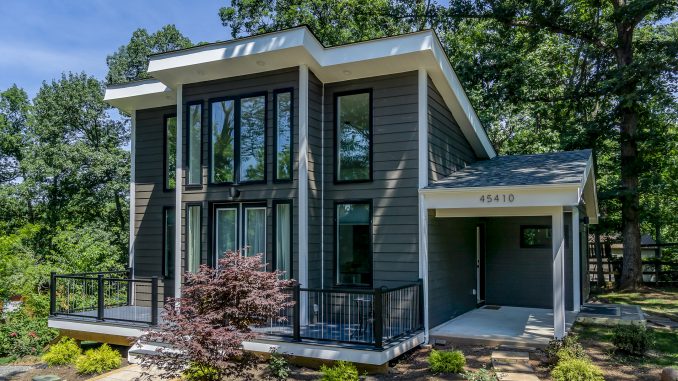 Real estate rewards preparation more than it rewards timing. Waiting for a better market is a reasonable position only if your personal situation supports it, otherwise you are just paying rent while prices hold. Check up-to-date property listings and see whether what is available matches what you have been planning for.
No listing found.